Menu

Show posts

This section allows you to view all posts made by this member. Note that you can only see posts made in areas you currently have access to.

Show posts Menu

Messages - beachbum

#141
I'm trying to lose flab so maybe I've picked the wrong hobby  ;D
But as I'm only cooking for myself and occasionally a couple of mates (SWMBO gets a butter chicken once in a while) if I made batches of bhajis just for the oil I'd end up as big as a brick shthouse  :o

I was watching a travel/cooking show a few months ago and they were in a village in Northern India and they were making a massive mutton biryani.

One of the key ingredients is to fry a mass of sliced onions in what looked like a litre of oil until caramelised and almost crispy, drain them off and use that oil as the basic oil for the whole session, sprinkling the onions in as the Biryani was being "layered".

I wonder if this would provide something similar to bhaji oil, maybe use it twice with two batches of onions?

#142
I've got the eBook but one thing puzzles me.
In the videos he marinates his chicken and lamb in a yogurt mixture overnight and cooks the next day.

In the eBook he just cooks them from "raw" with no yogurt marinade. There's no mention of marinating that I can find anywhere in the book.

Is this maybe a future addition or did he reckon the marinating step would be a bit OTT for beginners reading the book?

I'll continue to use the yogurt method myself.

However some great new information, like how to make that garlic ginger paste, seasoned oil etc.  And a massive explanation of  the importance of onions in BIR ;)

One other question for any Antipodeans on the forum, I can't get that curry powder he mentions to go into the dry mix and have been using the Aussie Clive of India. Anyone know of a good pre prepared curry powder available over here? We also have Keens Curry Powder but that's a bit "School dinner or Army Barracks style curry" if you know what I mean and is very heavy in fenugreek as a major ingredient.
#143
This is going to work out expensive, with a Laptop and a desktop already I've been trying to justify the expense of getting an Android tablet for a while now....

Aha..... laptop won't fit on the kitchen bench

;D ;D ;D

I'm in, Julian  ;)
#144
Lets Talk Curry / Re: Vegetable ghee warning
April 02, 2012, 04:20 AM
I expect they use it because it's cheap.

The danger with trans fats is that they are not found in nature but when the body digests them, they get put into cell walls etc in the place that a "natural" fat would go. The body mistakes them for fats that they already know about, sort of analagous to kids who used to drink yellow dishwashing liquid that was in virtually identical containers to lemon squash, then rushed to hospital (I think that packaging has been banned or at least discouraged).

It's thought that trans fats, as well as artery and heart problems, are a major contributor to macular degeneration of the retina, major cause of blindness in the first world, due to the wrong fats becoming incorporated into the retina.
#145
George:

The thing about lagers is that they are a lot more difficult to make than ales. Ales (e.g. Cameron's of Hartlepool Strongarm or Brains of Cardiff S.A.) are a lot closer to old "farmhouse" type beers. Modern Pale Lagers such as Fosters or Stella are more modern products made in big factories.

Being fairly low on flavour and very "clean" tasting, you can attempt to make them at home but if you don't get it dead right there's nothing to hide behind - you can't just add some more hops or some sugar whatever as you can with an ale.

Also you need really good temperature control so you nearly always need to get a dedicated fridge with a temperature controller.
Look, I make lagers but have the equipment, but mainly do ales as lagers are a PITA. I'd recommend that before trying to replicate something like Fosters you should brew a few ales to get the hang of basic principles.  8)

Curryhell:

When Dave wrote the book the only Belgian that was known in the UK was Stella wifebeater  >:(
However once you get into brewing, Belgians are not hard -  it's really all in the yeast, a lot of specialty yeasts are available from home brew suppliers to give those spicy "phenolic" overtones, so you can make something very close to a Leffe etc.
#146
Oh dear that spoiled my day  :-\


haha, sorry but seriously for over a hundred quid you could set yourself up nicely with a fermenter and some equipment and a couple of kits - have a word with your local home brew shop, they should advise and maybe have a couple of samples etc.

By the way for bottling beer, 1.25L pop bottles are perfectly adequate, I mainly used them until I went to kegging. The bottling side of things often puts new brewers off.
#147
Quote from: JerryM on March 23, 2012, 06:53 PM
beachbum,
2 words you've written have made me an instant fan.

please tell us more on how to start. the book too.

Just like cooking, probably the best way to start is by doing a heap of reading to get your head round the subject first.

Beer has been made the same way for centuries and even today many breweries in the UK still operate the same as they did in Victorian times, some even have all the original equipment, for example Hook Norton  :P
So there's plenty of literature out there.

Basically beer is made from barley, which is sprouted then dried (malt). The malt is then crushed and steeped in hot water at around 65 degrees for an hour or so (mashed) to provide a sweet liquid (wort). The wort is drained off and typically boiled with hops to give much of the flavour and bitterness. Think of hops as being methi or coriander leaves  ;D ;D.
The resulting liquid (hopped wort) is strained off and allowed to cool, then fermented with yeast in a special vessel for around a week or so, then allowed to clear and condition. You end up with typically 20 litres of a clear alcoholic sparkling liquid called BEER. woot.

Now you can do the entire process yourself (best) or you can buy concentrated wort in the form of malt extract and boil your hops with that (not quite as good) or buy concentrated hopped wort in the form of a beer kit from the home brew shop or many supermarkets (most basic method).

Now the concentrated forms have been put through basically the identical process to making tins of condensed milk. As you will appreciate that can never be reconstituted to give the flavour of fresh milk, similarly with malt, so it's always a compromise between convenience and quality. However whatever method you will still end up with a drinkable hooch, provided you follow the all important sanitary procedures.

Good starter is the free e book "how to brew" by John Palmer http://www.howtobrew.com/although there's a lot of technical detail that you can probably skip first time around.

That English book "Brewing Beers Like those you buy" is good, but it's a sequel to an earlier book "the big book of brewing" by Dave Line - which is a good intro to all grain brewing. It's very old but much of the equipment is identical to what we use today so it's still current. Poor old Dave is long deceased. The book should be available for peanuts at the Book Depository online.

cheers
Michael
#148
I was watching a You Tube the other day, traditional Indian lady doing a chicken biryani, and she was using a portable induction cooktop  :o - I never realised they existed.

Seemed to be doing a fine job.

Chicken Biryani Recipe in Hindi (with Annotations in English) [HD]

#149
Now don't get me started ....... 8)


A great UK resource for new brewers is Jim's Beer Kit Forum. I've been brewing for about 4 years and make all grain brews - it's becoming a huge hobby around the world. One reason I got into it was to brew real ales I remember from my younger days, and nowadays you can get malt, hops and other ingredients from all over the world and make any style you want - for example I currently have a sack of malt from Thomas Fawcett at Castleford Yorks to knock out Timothy Taylors Landlord lookalikes, and one from Weyermann's maltings in Bavaria to crank out Oktoberfest Biers.

You think Indian cooking is addictive? Ha.
However, warning, anyone thinking of brewing, forget about using kits and tins, go straight to all grain, it's a bit like the difference between what we do on this forum and currying up some left overs using Tesco's own brand curry powder.  ;D  That Dave Line book is still very apt even after 40 years. I have a copy.
#150
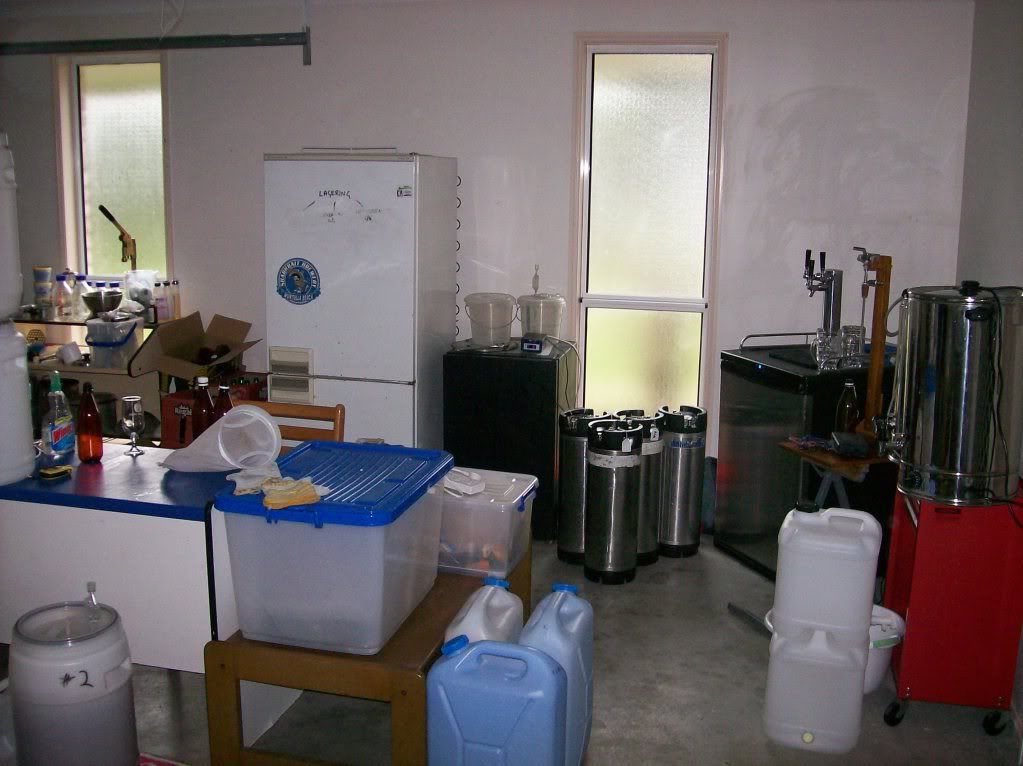
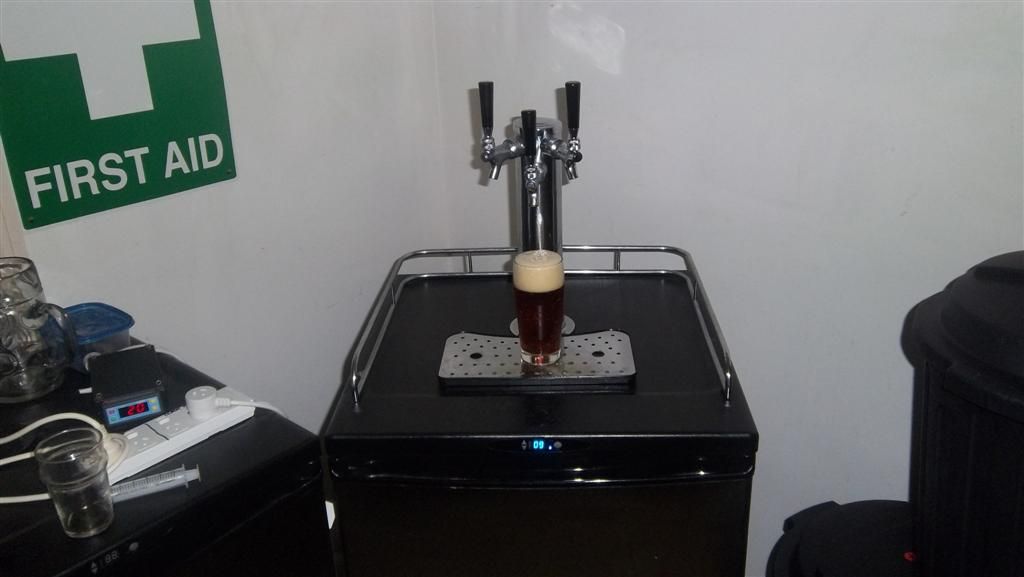
I'm a home brewer. No I don't knock out tins of kit beer, I'm an all grain brewer with my car sitting in the rain because the garage is a brauhaus with thousands of dollars of equipment, bins of malt, five temperature controlled fridges, three taps of ales and lagers on draught, etc etc  ;D

However in the HB community there's also the "wow wouldn't it be great to open a microbrewery / brewpub and spend my days doing what I love to do, create wonderful craft beers...."
But like most businesses, the "core" bit is only about a quarter of it. The rest is filling out VAT returns, hiring and firing staff, paying the bills and getting up at 5 am to shovel stuff in the cold and dark and get very damp whilst doing so  ???

I really admire the people who work so hard to bring us luscious food and drinks, bless em.